Table of Contents
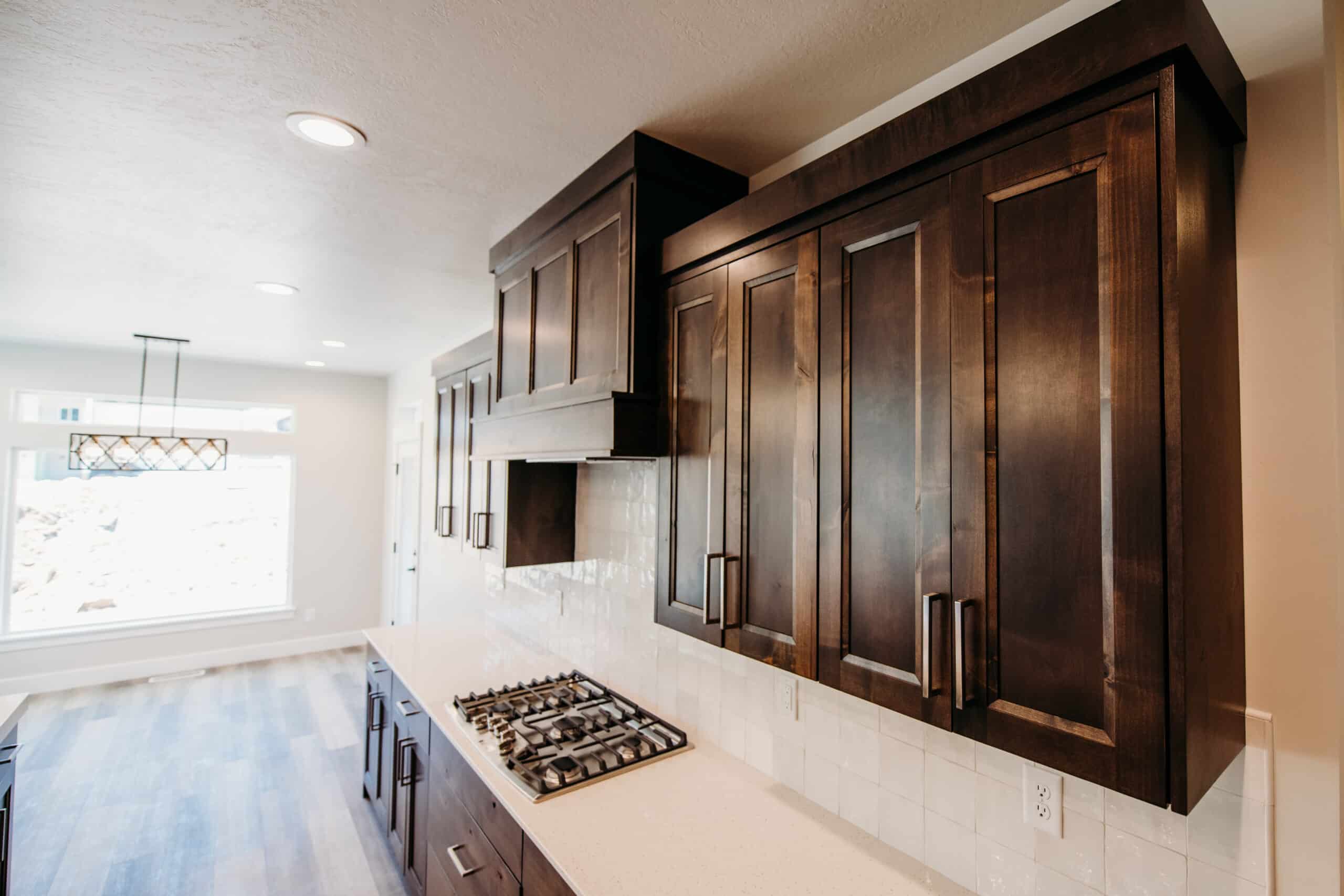
Creating a cohesive and visually appealing kitchen or bathroom design starts with cabinetry, countertops, and backsplashes. These three elements set the tone for your space, and the more thought you put into your choice, the more your home will look polished and stylish. Here are some practical tips to help you coordinate your kitchen and bathrooms.
1. Start with Your Cabinets
Cabinets are typically the largest visual element in your kitchen, so they often serve as the foundation of your color and design scheme. Consider these points:
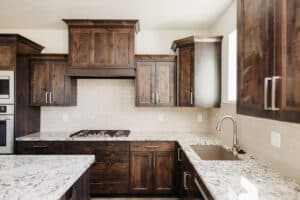
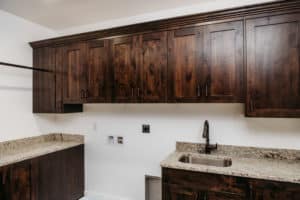
Color — Neutral colors like white, gray, or beige are versatile and pair well with almost any countertop or backsplash. Darker cabinets make a bold statement and contrast well with lighter surfaces.
Style — Shaker, flat-panel, or traditional raised-panel cabinets all convey different aesthetics. Make sure your countertops and backsplashes complement the cabinet style. For example, sleek, modern countertops pair well with minimalist cabinets.
2. Choose a Countertop That Complements Your Cabinets
Countertops are functional and decorative, so they should harmonize with your cabinetry.
Contrast or Match — Decide whether you want your countertop to blend with your cabinets or provide a contrast. For example, pair white cabinets with a dark granite countertop for a striking contrast or a marble countertop for a soft, elegant look.
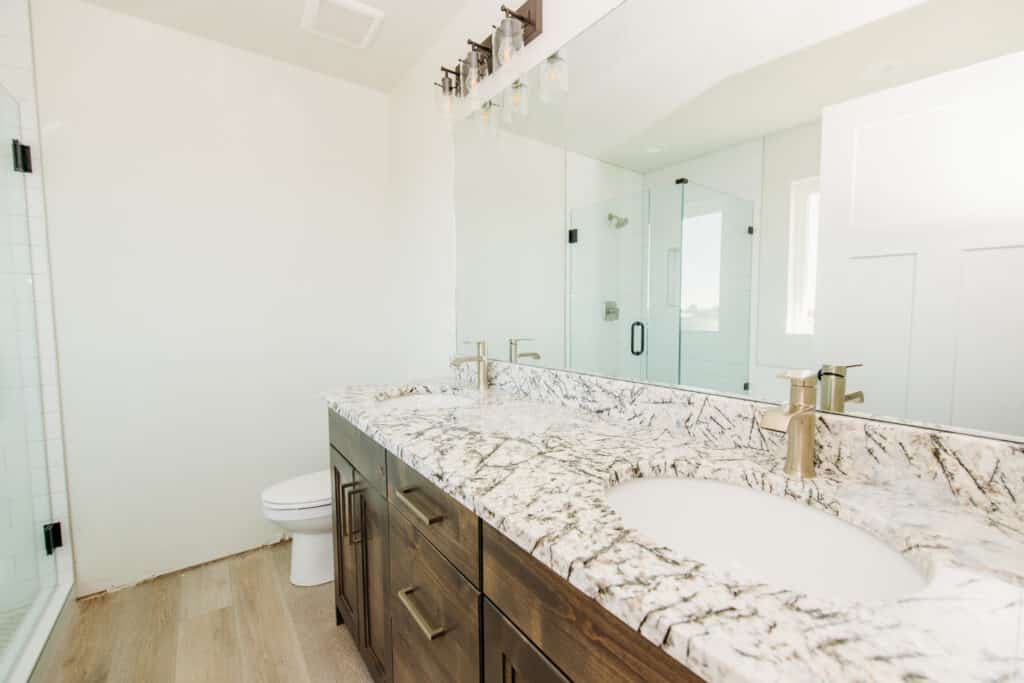
Material and Texture —Quartz, granite, marble, and solid surface materials each have unique textures and veining patterns. Pick a countertop that balances your cabinet color without clashing.
3. Pick a Backsplash That Ties Everything Together
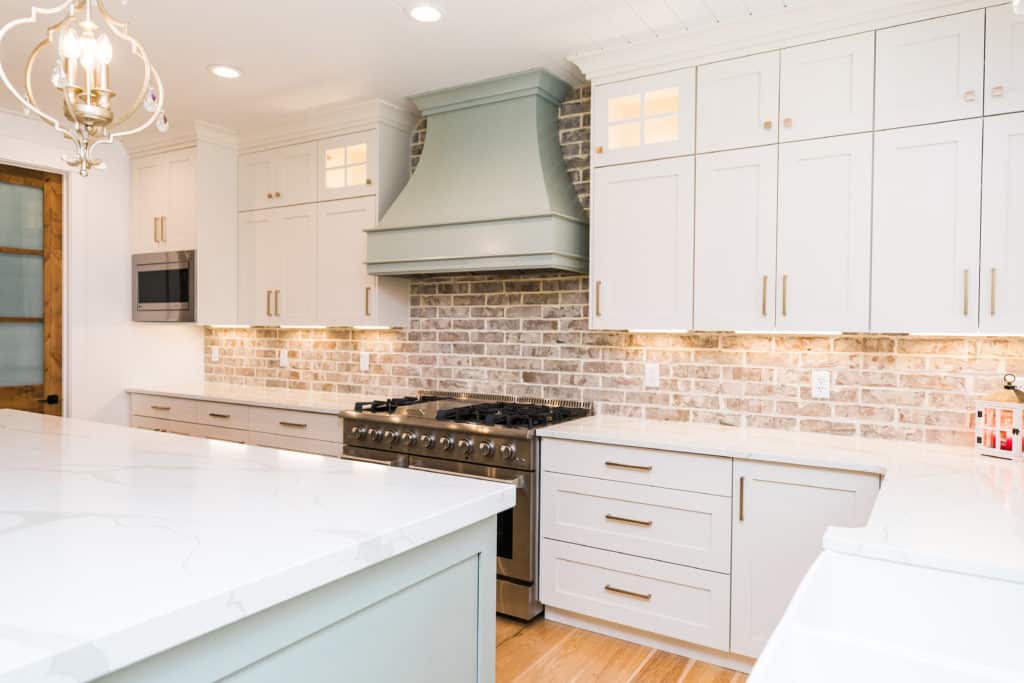
You can use the backsplash as the perfect opportunity to add personality and color without overwhelming the space.
Neutral vs. Bold — A neutral backsplash keeps the look clean and timeless, while a patterned or colorful one adds character and visual interest.
Coordinate with Both Cabinets and Countertops — Pull colors from your cabinets or countertops into your backsplash for a cohesive look. For example, if your countertop has subtle veining, choose a backsplash that reflects one of those hues.
4. Consider Color Balance and Flow
When coordinating all three elements, think about the overall balance:
Light and Dark Balance — Avoid making all three elements the same tone, as this can make the space feel flat. Aim for a mix of light, medium, and dark tones and stick to two or three main colors to avoid overwhelming the space.
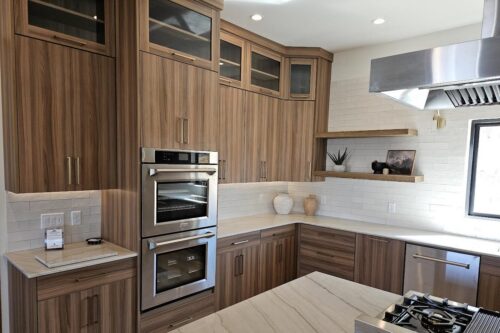
Warm and Cool Tones — Ensure your cabinet, countertop, and backsplash tones harmonize. Warm tones, like honey wood cabinets and beige countertops, go together naturally, while cool tones, like gray cabinets with white marble countertops, offer a crisp, modern feel.
Define a Focal Point — Decide if you want your cabinets, countertops, or backsplash to be the main design feature.
Use the 60-30-10 Rule — Assign 60% of your design to the dominant color, 30% to a secondary color, and 10% to an accent, such as hardware.
5. Test Samples Before Committing
Always bring samples of cabinets, countertops, and backsplash materials together in your space. Lighting, both natural and artificial, can drastically change how colors appear. Seeing everything together ensures your choices complement each other.
6. Don’t Forget About Accessories
Hardware, faucets, and lighting fixtures can also influence how your cabinets, countertops, and backsplash look together. Choose finishes that complement your primary materials to help unify the space.
Other Design Tips
For the Kitchen:
Layer Lighting — Combine task lighting under cabinets, ambient ceiling fixtures, and accent lighting like pendants for a well-lit, inviting atmosphere.
Integrate Technology — Smart appliances and technology can add convenience and a modern touch to your kitchen.
Maximize Storage — Extend cabinets to the ceiling and use pull-out pantry shelves, drawers, organizers, and multi-functional islands to keep the space organized and spacious.
For Bathrooms:
Incorporate Smart Storage — Use mirrored cabinets, floating vanities, and drawers to keep toiletries and other items organized.
Create a Spa-Like Atmosphere — Consider features like walk-in showers with benches, heated floors, or a freestanding tub to turn your bathroom into a sanctuary.
Enhance Layout for Flow — Plan the placement of the toilet, sink, and shower to maximize space, ensure comfort, and create privacy.
Ensure the design of your kitchen and bathroom flows with or complements the rest of your home’s style, whether it’s a cohesive, open look or distinctive aesthetic.
Create a Beautiful, Harmonious Kitchen
Coordinating cabinets with countertops and backsplashes doesn’t have to be complicated. By focusing on balance, contrast, and harmony, you can create a space that feels thoughtfully designed and visually appealing. Take your time, test your combinations, and don’t be afraid to add a pop of personality with your backsplash or countertop selections. With the right thoughtful planning, your kitchen or bathroom will not only look beautiful but also feel like a space that’s uniquely yours.