Rasmussen Custom Cabinetry Willard Utah

Rasmussen Custom Cabinetry LLC

(801) 516-4774 Let’s Plan Your Cabinet Upgrade
  • Custom Cabinets
    • Kitchen Cabinets
    • Bathroom Cabinets
    • Laundry Room Cabinets
    • Built Ins
    • Fireplace Mantels
    • Pantry Cabinets
    • Multi-Family Cabinets
    • Commercial Cabinets
  • Our Process
  • Design Center
    • Cabinet Door Styles
    • Stain & Paint Styles
    • Textured Melamine
    • Cabinet Accessories
    • Wood Types
    • Cabinet Hidden Doors
  • Portfolio
  • Cabinet Care
  • About Us
    • Financing
    • Employment Opportunities
    • Cabinetry Blog
  • Contact

Joinery: The Key to Long-Lasting, Beautiful Cabinets

Home | Custom Cabinets | Page 5

Joinery: The Key to Long-Lasting, Beautiful Cabinets

When it comes to custom cabinetry, homeowners tend to focus on the beauty and design, but behind every flawless cabinet door or smooth-gliding drawer lies a crucial, often overlooked factor: joinery. Quality joinery is the backbone of well-built cabinetry, determining not only how your cabinets look but also how long they last, how well they function, and how easily they handle everyday wear and tear.

What Is Joinery?

Joinery refers to the method by which two or more pieces of wood are connected. In cabinetry, these joints hold the structure together — whether it’s a drawer corner, cabinet frame, or shelf. The type of joinery used can drastically affect the durability and aesthetic of the final product. 

Common Joinery Techniques in Custom Cabinetry

Dovetail Joints — These joints are popular in drawer construction for their strength and resistance to being pulled apart. They involve interlocking pins and tails for a secure, visually appealing joint. 

Mortise and Tenon — These are strong, long-lasting, and ideal for frame construction. It involves a mortise (a cavity) in one piece of wood and a tenon (a projection) on another, creating an interlocking connection. 

Dowels — Dowels provide hidden strength and are often used for edge-to-edge or panel joints. They are physically attractive and help reinforce weaker joints. 

Rabbet and Dado — These joints are useful in shelving and box construction. They have a groove cut into one piece of wood that allows another piece to fit in, providing good stability and alignment. 

Pocket Screws — These are fast and effective for certain applications, though not as long-lasting as traditional methods. A pocket joint is created by drilling an angled hole into a piece of wood then joining a second using a screw. It requires precision to avoid leaving any gaps. 

Finger Joint — Finger joints, also known as comb joints, are made by cutting multiple interlocking sections into two pieces of wood. The pieces are then glued together, giving the appearance of interlocking fingers. They are known for their strength and simplicity. 

Biscuit Joint — These joints are often used to align edges and surfaces and work well when creating shelves and cabinet carcasses. It involves inserting small pieces of compressed wood (called biscuits) into slots cut into the wood pieces. When glue is added, the biscuits swell, creating a strong bond. 

Why Joinery Matters in Custom Cabinets

Joinery: The Key to Long-Lasting, Beautiful Cabinets

Structural Integrity — Poor joinery can cause wobbling or sagging or even lead to your cabinets falling apart after just a few years. High-quality joints, like dovetails or mortise and tenon, create strong, stable bonds that hold up under pressure and weight, ensuring your cabinetry lasts for years to come. 

Durability Over Time — Custom cabinetry is a huge investment. Robust joinery helps your cabinets resist damage from daily use, moisture, and temperature changes without loosening or cracking. Well-joined cabinets don’t just last — they age gracefully.

Superior Craftsmanship — Joinery showcases the skill of the cabinetmaker. When you have precisely-cut joints like finger joints or dowels, you know the cabinets were made with high-quality craftsmanship and care. 

Better Functionality — Quality joints ensure drawers open and close smoothly, doors hang evenly, and shelves don’t bow. They also reduce the need for excessive hardware, which can detract from the cabinet’s aesthetics. 

Aesthetics and Design Flexibility — Seamless joints allow for cleaner lines and custom finishes. Whether you want a rustic farmhouse feel or sleek modern look, quality joinery can be designed to fit your specific vision. You can also choose from a simple and elegant or an intricate and elaborate design. Joinery gives you a chance to showcase your personality in a unique way. 

The durability and unique design of custom cabinet joinery can also enhance the overall value of your home, as they ensure there are no awkward gaps or misalignments. 

The Hidden Cost of Poor Joinery

Cutting corners by choosing low-quality joinery might save money up front — but it often leads to costly repairs or replacements down the road. Drawers that fall apart, shelves that sag, and cabinet doors that no longer close properly all indicate construction shortcuts. Investing in high-quality materials reduces the need for maintenance and ensures long-term satisfaction. 

Joinery: The Key to Long-Lasting, Beautiful Cabinets

Joinery — The Backbone of Custom Cabinetry

Quality joinery is the hidden hero of custom cabinetry. While it may not always be visible, it plays a critical role in the strength, longevity, and overall performance of your cabinets. Choose a cabinetmaker who prioritizes high-quality materials and ensure you’re investing in craftsmanship that will look beautiful and function for many years. Whether you’re upgrading a kitchen, bathroom, or storage space, well-crafted joinery is what sets exceptional cabinetry apart from the rest.

Filed Under: Custom Cabinets

Red Flags When Hiring a Custom Cabinetry Contractor

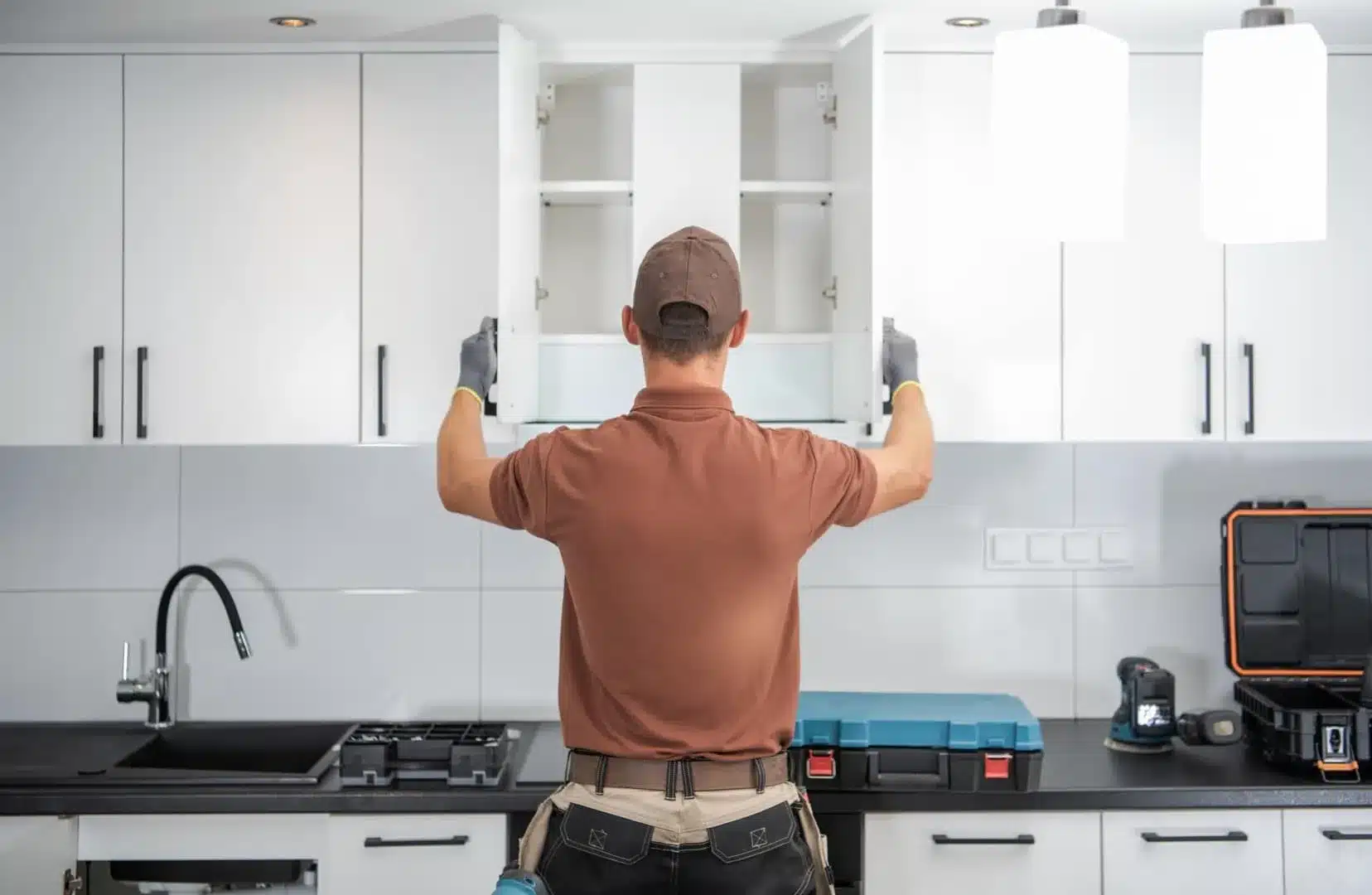
Whether investing in custom cabinetry for a kitchen, bathroom, or living room, you want high-quality craftsmanship that will last for many years. Unfortunately, not all contractors deliver the high standards they promise. Here’s how to spot the signs of a low-quality job — and the red flags to avoid when hiring a cabinetry contractor.

1. Poor Attention to Detail

Custom cabinetry should be all about precision and detail.  Sloppy measurements, uneven doors, misaligned drawers, and inconsistent spacing are signs that a contractor cut corners. Look out for:

  • Gaps between the cabinets, walls, and molding.
  • Crooked or misaligned cabinet doors or drawers that don’t close flush.
  • Uneven staining or mismatched finishes where the seams are visible.

Even small flaws can point to bigger issues beneath the surface.

2. Subpar Materials

A quality custom cabinet job uses solid wood, durable plywood, and premium hardware. Be wary if:

  • The contractor uses particleboard, MDF, or thin plywood without a protective veneer in high-moisture areas.
  • Drawers are stapled instead of dovetailed.
  • Hinges and drawer slides feel cheap or don’t glide smoothly.
  • Hardware is flimsy, and the hinges are wobbly.

Always ask for a materials list upfront and verify that what’s installed matches.

3. Rushed or Incomplete Work

Low-quality contractors often leave jobs half-finished or rush through them to move to the next. Watch for:

  • Unpainted or poorly painted surfaces.
  • Missing trim or molding.
  • Exposed screw heads or visible nails.
  • Warped or swollen wood, mold, or mildew, which could indicate moisture issues.
  • No clean-up after the job is done.

This kind of finish work plays a critical role in cabinetry and sets a clear indicator of craftsmanship.

4. Lack of Communication or Transparency

Red Flags When Hiring a Custom Cabinetry Contractor

A good contractor should communicate clearly, provide detailed quotes, and stick to timelines. Red flags include: 

  • Vague estimates or “handshake” agreements with no written contract.
  • Refusal to provide references or portfolio examples.
  • Difficulty reaching them or frequent rescheduling.
  • A written contract with foggy terms or signs of poor experience. 

A good contract should include identifying information, a clear description of the work to be performed, an understandable payment schedule, resolution terms, and harmless clauses. 

5. No Permits or Insurance

Avoid any contractor who refuses to go down the proper channels. A reputable professional should:

  • Be licensed and insured.
  • Know and follow local building codes.
  • Pull necessary permits for larger projects. 

Avoid contractors who offer discounts for proceeding without producing a permit. This allows them to maximize their profits and work without accountability. If a contractor skirts legal requirements and building codes, you may also get in trouble down the line. 

6. Bad Reviews or No Online Presence

Before you sign anything, check their reputation:

  • Look at Google, Yelp, Houzz, or other trade sites for reviews. Don’t rely on reviews they provide; do your own research. 
  • Ask for recent client referrals.
  • Review their portfolio for consistency in quality and to make sure they can handle your cabinetry project. 

No online presence or a pattern of complaints is a big red flag. 

7. They Have a Bad Attitude

Your contractor should treat you with respect. Avoid a contractor who:

  • Acts condescending and speaks down to you.
  • Minimizes your concerns
  • Uses a lot of industry-specific jargon you don’t understand
  • Makes excuses when issues arise or things take longer than expected

Choose a contractor who gives you clear explanations and solutions and gets on your level when talking about their work. You should always understand and be aware of the whole picture. Remember that professionalism is as important as woodworking skills.

Additional Things to Look out For

Here are a couple more tips for spotting a bad contractor:

Too Busy or Not Busy at All — If a contractor is too busy, it could indicate that they are spreading themselves too thin and can’t give your project adequate attention. On the other hand, if they aren’t busy at all and say they can start immediately, it could indicate they have a bad reputation or are inexperienced.  

You should expect to wait about a month before a contractor starts. This means they are taking enough time with other customers and projects.

Red Flags When Hiring a Custom Cabinetry Contractor

Applying Too Many Sales Tactics — Your contractor should be honest and straightforward. This a mutally benefitical relationship not a sale being made. Avoid aggressive sales tactics and make sure you trust everyone involved in the project. 

Choose a Quality Contractor to Ensure a Quality Job

Custom cabinetry can add beauty, functionality, and value to your home when done correctly. So, take your time choosing a contractor. Look beyond just the price and pay close attention to quality, communication, and credentials. A little research now can save you from costly regrets later.

Filed Under: Custom Cabinets

Choosing the Right Cabinet Hardware

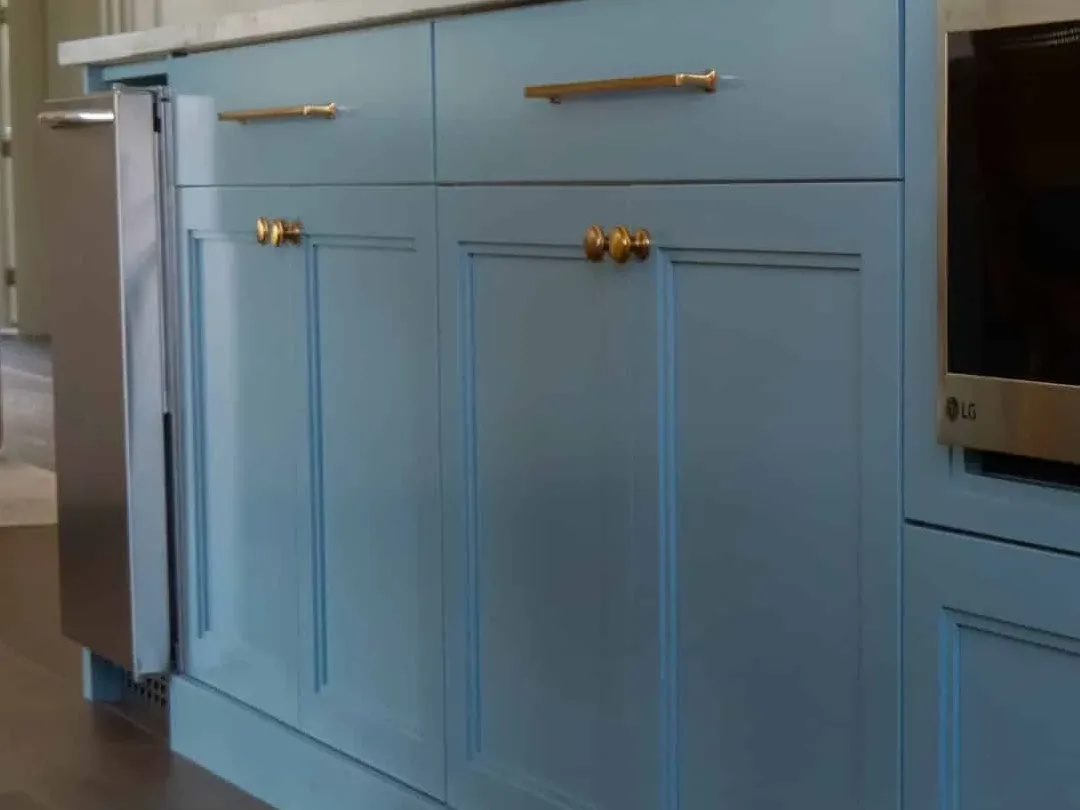
When remodeling your kitchen, bathroom, laundry room, home office, or another space in your home, you may not think much about your cabinet hardware. However, these small details – knobs, pulls, and hinges — play a crucial role in both the function and style of your space. Here’s why cabinet hardware matters more than you might think.

It Affects Everyday Functionality

Cabinet hardware is more than just decoration; it directly affects how easily and comfortably you can access your cabinets and drawers. High-quality knobs and pulls help you grip doors and drawers and open and close them, especially in high-use areas, such as the kitchen. 

Soft-close hinges and mechanics ensure doors and drawers shut quietly, smoothly, and easily, preventing slamming, reducing wear and tear over time, and prolonging the lifespan of your cabinets. 

It Completes the Look

Hardware is often referred to as the jewelry of your cabinets. It can transform a space and add a sophisticated, modern touch or a vintage, rustic charm. Whether your cabinets are traditional, contemporary, or farmhouse-style, the right hardware ties everything together and reinforces your design vision — or distracts from it if not well considered.

It Offers an Easy Update

If you don’t want to fully renovate your kitchen, bathroom, or laundry room, you can simply change out the hardware as a fast and affordable way to refresh a room. Swap old or outdated hardware for new, stylish fixtures to breathe new life into a space with minimal effort and little cost. 

It Reflects Your Personality

Choosing the Right Cabinet Hardware

Hardware gives you a chance to showcase your personality and add a distinct character to your space. Whether you prefer bold and artistic designs or understated elegance, hardware allows you to express your style in a functional way.

It Influences Durability and Maintenance

Not all cabinet hardware is created equal. Cheap materials or poorly made hardware can tarnish, break, or wear unevenly over time. Choose durable, high-quality materials, such as solid brass, stainless steel, or zinc alloy, to ensure your investment lasts and remains easy to clean and maintain. 

Types of Hinges

In order to choose the right cabinet hardware, you should understand the main types of hinges and how they work:

Concealed Hinges — Concealed hinges, also known as European hinges, lack a face frame and are mounted directly to the inside of the cabinet door and the cabinet’s side panel. They aren’t visible when the cabinet doors are closed, providing a modern, seamless, and clean look.

Semi-Concealed Hinges — These versatile hinges are mounted on the frame, allowing a portion of the hinge mechanism to be visible and concealing the rest. They are higher durable and can include ornamental elements, adding an elegant touch to your cabinetry. 

Surface-Mounted Hinges — These hinges sit on the surface of the cabinet door and frame without the need to drill recesses or mortises. They display the entire hinge on the outside of the cabinet, giving you the chance to show off your style with an attractive color or design. 

Wrap Hinges — These hinges allow the cabinet doors to wrap around the frame and remain completely hidden when the cabinet door is shut, offering a clean, unobtrusive look and making them perfect for entertainment centers and similar applications. 

Butt Hinges — Butt hinges, also reffered to as “traditional” hinges, feature two plates joined by a central barrel. A butt hinge attaches to the inner edge of the door and leaves only the knuckle exposed when the door is closed. Durable and reliable, they can withstand frequent use and heavy doors. 

Youngdale Hinges — These trusted, reliable, smooth hinges are fully concealed from the frontal view when the door is closed. They are easier to install than European hinges and come in multiple finishes: brass, nickel, stainless steel, bronze, and white. 

Tips for Choosing the Right Hardware

When choosing cabinet hardware, consider the placement of the knobs and pulls and which will work and look the best. Pulls should be one-third the width of the drawer face and five to seven inches wide on cabinet doors.

Choosing the Right Cabinet Hardware

You should also consider your budget, the finish of the hardware, and the quality. You want cabinet hardware you can afford, that looks good in your home, will withstand everyday use, and will last a long time.  

Hardware Completes Your Renovation Project

In home design, the details often make the biggest impact. Cabinet hardware might seem unimportant, but it plays an important role in both the look and functionality of your space. So next time you’re remodeling or refreshing a space, don’t overlook the hardware. It provides more than a finishing touch; it’s a key design decision.

Filed Under: Custom Cabinets

  • « Previous Page
  • 1
  • …
  • 3
  • 4
  • 5
  • 6
  • 7
  • …
  • 31
  • Next Page »

Hours

8850 US-89
Willard, UT 84340
Main #: 801-516-4774
Alt. #: 435-485-7239
Lic 9594759-5501
Monday 9:00 AM - 5:00 PM
Tuesday 9:00 AM - 5:00 PM
Wednesday 9:00 AM - 5:00 PM
Thursday 9:00 AM - 5:00 PM
Friday 9:00 AM - 5:00 PM
Saturday Closed
Sunday Closed

Directions

Follow Us

Contact Us

  • I agree to the terms & conditions provided by the company. By providing my phone number, I agree to receive text messages from Rasmussen Custom Cabinetry.

2025| Rasmussen Custom Cabinetry LLC | All Rights Reserved | Privacy Policy | Terms | XML Sitemap | Sitemap | Anti-Discrimination | Accessibility | Site by PDM