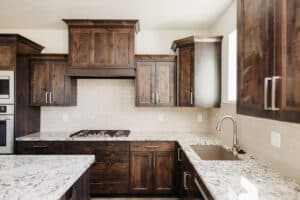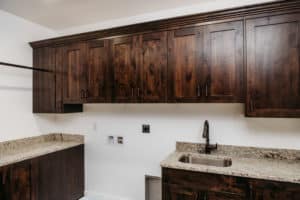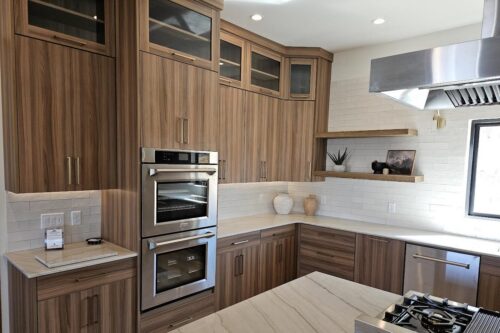
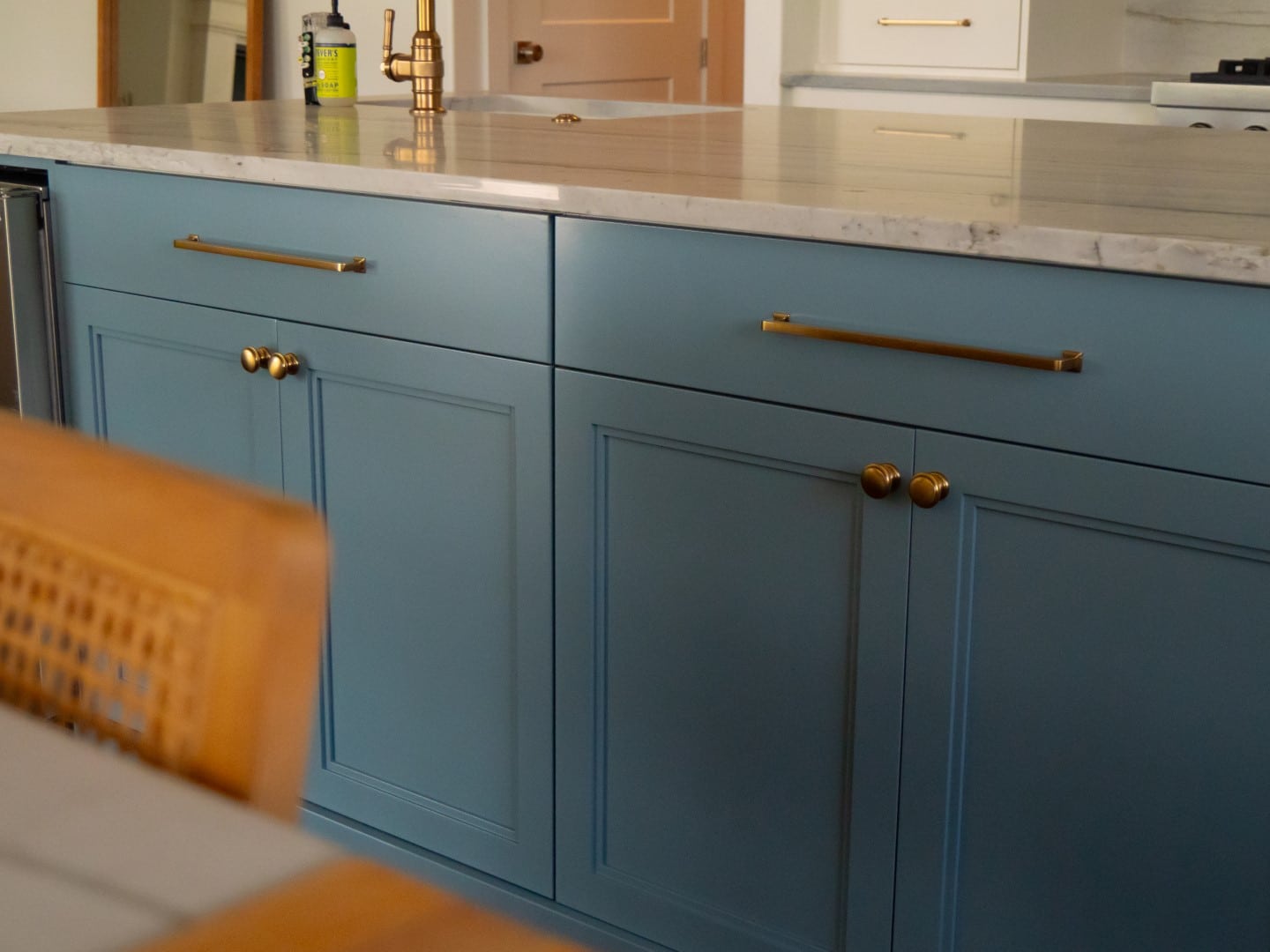
When entering your kitchen, bathroom, or laundry room, most people tend to take note of your cabinets first. To keep them in top shape, they require some regular maintenance. So, whether you’ve recently invested in custom cabinetry or just refreshed your existing cabinets with paint, developing a few simple habits can extend their life and beauty for years to come.
Wipe Spills Immediately
Moisture is one of the biggest enemies of wood and painted cabinets. Water, oil, or sauce spills can seep into the finish and cause staining, warping, or peeling. Always wipe up spills as soon as they happen, especially around sinks, dishwashers, and coffee stations.
Clean Gently but Regularly
Dust, grease, and fingerprints can build up on cabinet surfaces over time, making them look dull. Clean your cabinets regularly using a soft cloth and mild cleaning solution. Avoid harsh chemicals (like bleach or ammonia), abrasive sponges, or scrubbing pads that can damage the finish.
A mixture of warm water and mild dish soap works well for everyday cleaning. You can also dust cabinets with a soft cloth to prevent dirt buildup and use a paste of baking soda and water for stubborn stains.
Polish or Condition as Recommended
Occasionally polish or condition your wood cabinetry to maintain its luster using a high-quality solution specifically designed for your cabinet finish. For painted or laminated cabinets, always check the manufacturer’s recommendations before applying any polish; however, once or twice a year is usually sufficient.
Inspect and Tighten Hardware
Cabinet knobs, handles, and hinges can loosen over time due to wear and tear, age, or simply regular use. Periodically check all hardware and tighten screws as needed. This not only protects your cabinets’ functionality but also prevents unnecessary wear from loose parts. If your hardware looks worn, consider replacing it for a quick refresh.
You may also need to lubricate hinges if your cabinets are squeaky or difficult to open. A simple silicone spray should keep them operating smoothly.
Be Gentle with Doors and Drawers

Slamming cabinet doors and drawers can cause long-term damage to the hinges, joints, and finish. Remind yourself and encourage your family members to close cabinetry gently or consider installing soft-close hardware to prevent slamming and extend the life of your cabinets.
In addition, ensure that all your cabinetry has soft bumper pads, as these can help prevent slamming and wear and tear.
Protect Against Heat and Moisture
Heat and humidity can cause cabinets to warp, crack, or peel. Use exhaust fans when cooking or running hot water to reduce moisture buildup. Avoid placing appliances like coffee makers or toasters directly under upper cabinets without adequate ventilation, or hanging wet dishclothes or towels on cabinet doors. In addition, ensure cabinets are completely dry after cleaning or performing maintenance to prevent moisture-related damage.
Touch Up Scratches or Chips
Over time, even if you are careful, your cabinets can suffer minor scratches and chips, especially in high-traffic areas. Keep a small bottle of matching paint or stain on hand for quick touch-ups. For wood cabinets, furniture markers or wax sticks can help conceal small imperfections.
Avoid Overloading Shelves
Cabinet shelves are designed to hold a reasonable amount of weight, but you can still overload them, which can cause shelves to bow or break. Ensure you distribute weight evenly and avoid stacking heavy items on upper shelves.
Additional Maintenance Tips
Sunlight — Protect cabinets from direct sunlight, which can cause fading, cracks, and discoloration. In addition, avoid placing lamps and other heat sources near your cabinets.
Hardware — Don’t forget cabinet hardware when performing maintenance. Clean and polish handles, hinges, and knobs with a slightly damp soft cloth. You may need to use a degreaser every so often due to oil and grease buildup.
Vacuum Out Drawers and Cabinets — Grease and food particles can accumulate inside drawers and cabinet boxes, causing unpleasant smells, pest infestations, and surface damage. Vacuum out debris periodically to avoid any issues. Consider using cabinet liners to protect interior surfaces and make cleaning easier.
Keep Your Cabinets Looking Beautiful for Years

Your cabinets are a major investment and a key part of your home’s overall style and beauty. With just a little routine care and maintenance, like gentle cleaning, prompt spill cleanup, and occasional touch-ups, you can keep them looking fresh and beautiful for years to come.
Regular maintenance not only protects your cabinets’ appearance but also extends their lifespan, saving you time and money in the long run. A little effort goes a long way toward keeping your cabinets looking beautiful.