
Table of Contents
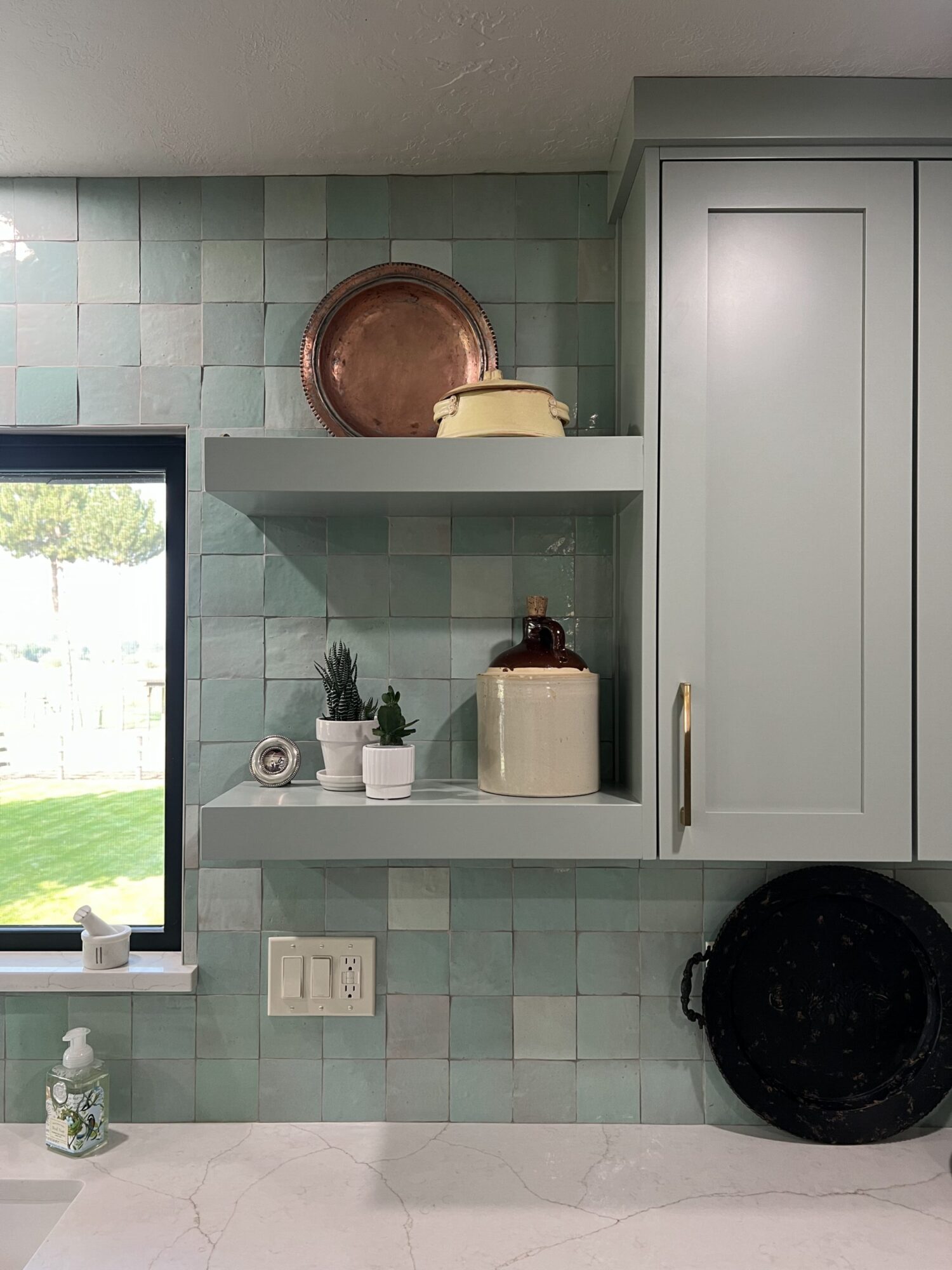
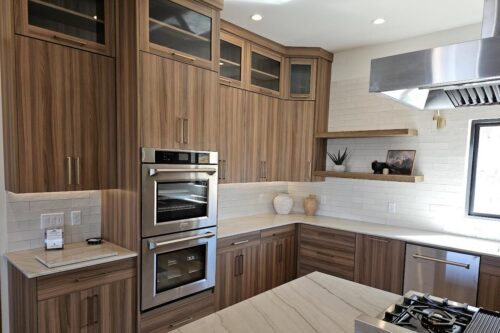
Many homeowners have started blending traditional closed cabinetry with modern open shelving. This design choice offers a balance between style and function, giving people the opportunity to showcase personality while still maintaining practical storage.
However, like any interior design trend, it has its advantages and drawbacks. Here’s a closer look at the pros and cons to help you decide whether this mixed approach is right for your home.
What Does “Mixed Storage” Mean?
Mixed storage combines exposed shelving (typically mounted on walls) with enclosed cabinets that conceal contents behind doors. This approach lets homeowners showcase certain items while keeping others tucked away.
This design is often found in kitchens, bathrooms, laundry rooms, and living spaces with built-in cabinetry.
The Pros of Mixing Open Shelving and Closed Cabinets
Adds Visual Interest and Custom Style
Open shelving breaks up the uniform look of traditional cabinetry, giving a space dimension and personality. It gives you an opportunity to display decor, dishware, plants, or meaningful items that reflect your style.
Instead of a wall of identical cabinet doors, you have a layered, curated storage system.
Provides Easier Access to Everyday Items
With open shelving, you can quickly and easily grab frequently used items, like dishes, glasses, or spices, without opening doors. This can improve workflow in kitchens and make daily routines more efficient.
Makes Small Spaces Feel Larger
Closed cabinets can feel heavy, especially in smaller rooms. Open shelving can make a space feel lighter, brighter, and airier by reducing visual bulk and allowing walls to breathe.
This combination works especially well in compact kitchens or apartments where maximizing perceived spaces matters.
Reduces Costs (in Some Cases)
Open shelving can be more budget-friendly than full cabinetry since it requires fewer materials and less hardware. Incorporating a few open shelves instead of upper cabinets can reduce overall project costs.
Encourages Organization
Because everything is visible, open shelving encourages you to stay organized and intentional about what you keep and display, and naturally discourages clutter buildup. You can keep daily items open and rarely used items tucked away.
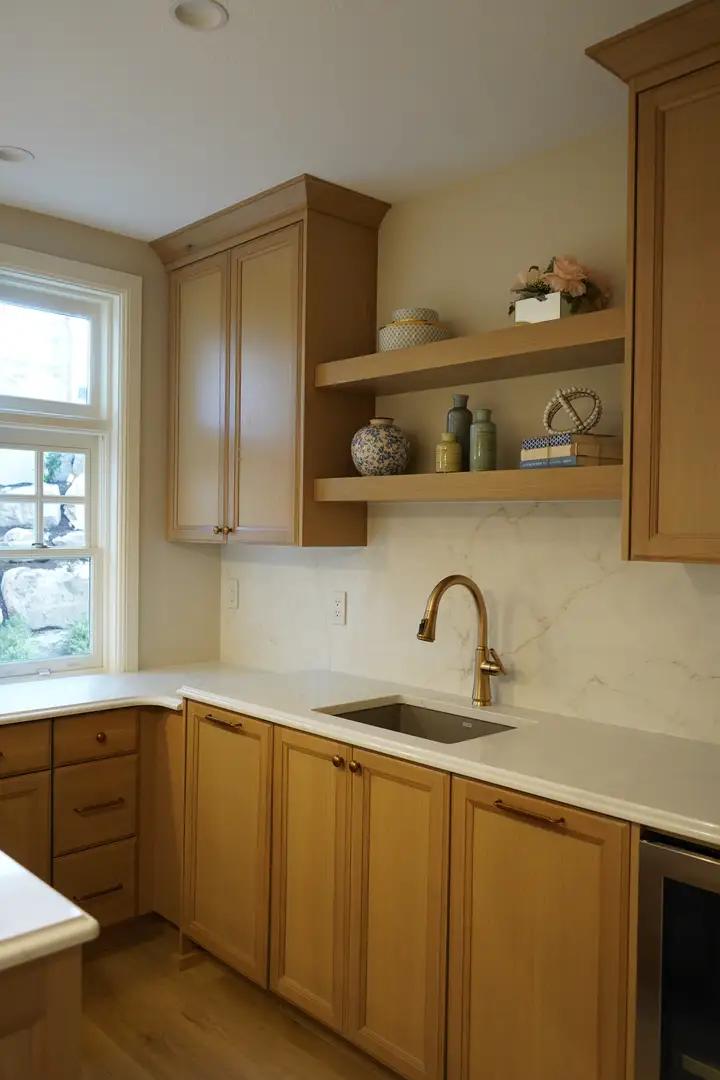
The Cons of Mixing Open Shelving and Closed Cabinets
Requires Consistent Maintenance
Open shelves can collect dust, grease, and debris more easily, especially in kitchens. Items may need to be cleaned more frequently, and shelves may need regular upkeep to stay looking neat.
Clutter Is Always Visible
With open shelving, you can’t hide disorganization. If shelves become overcrowded or messy, it can make the entire space feel chaotic. For this reason, this design works best for those who are committed to maintaining a tidy, curated look.
Limited Storage for Everyday Needs
While open shelves are great for putting things on display, they don’t work for everything. Bulk items, mismatched containers, or less attractive essentials are better suited for closed cabinetry.
Adding too many open shelves can reduce the amount of functional storage.
Not Ideal for All Households
If you live in a home with young children, pets, or high traffic, open shelving may be less practical. Items are more at risk of accidental damage, and you may run into accessibility issues in certain situations.
Design Requires Thoughtful Planning
A successful mixed-storage design requires careful planning. You’ll need to decide which items to display, where open shelves make the most sense, and how to balance aesthetics and function.
Without a clear plan, the space can feel disjointed rather than cohesive.
Tips for Getting the Balance Right
If you’re considering mixing open shelving with closed cabinetry, keep the following in mind:

Use Open Shelving Selectively — Limit it to areas where it adds value, such as near prep zones or for decorative displays.
Keep Everyday Clutter Hidden — Store less attractive or bulky items behind cabinet doors.
Stick to a Cohesive Color Palette — Make sure shelving and cabinetry complement each other to keep the space looking intentional rather than busy.
Incorporate Lighting — Use under-shelf or accent lighting to enhance functionality and visual appeal.
Avoid Overloading Shelves — Consider negative space, as it plays a key role in maintaining a clean appearance.
Is This Design Right for You?
Mixing open shelving with closed cabinetry can create a beautiful, functional space, but it doesn’t work for every home. It’s best for homeowners who value both style and organization and are willing to maintain the look over time.
If you prefer a clean, low-maintenance environment with minimal upkeep, you may want to invest more in closed cabinetry. However, if you want to display curated items or have a more open, modern feel, incorporating shelving can elevate your design.