Table of Contents
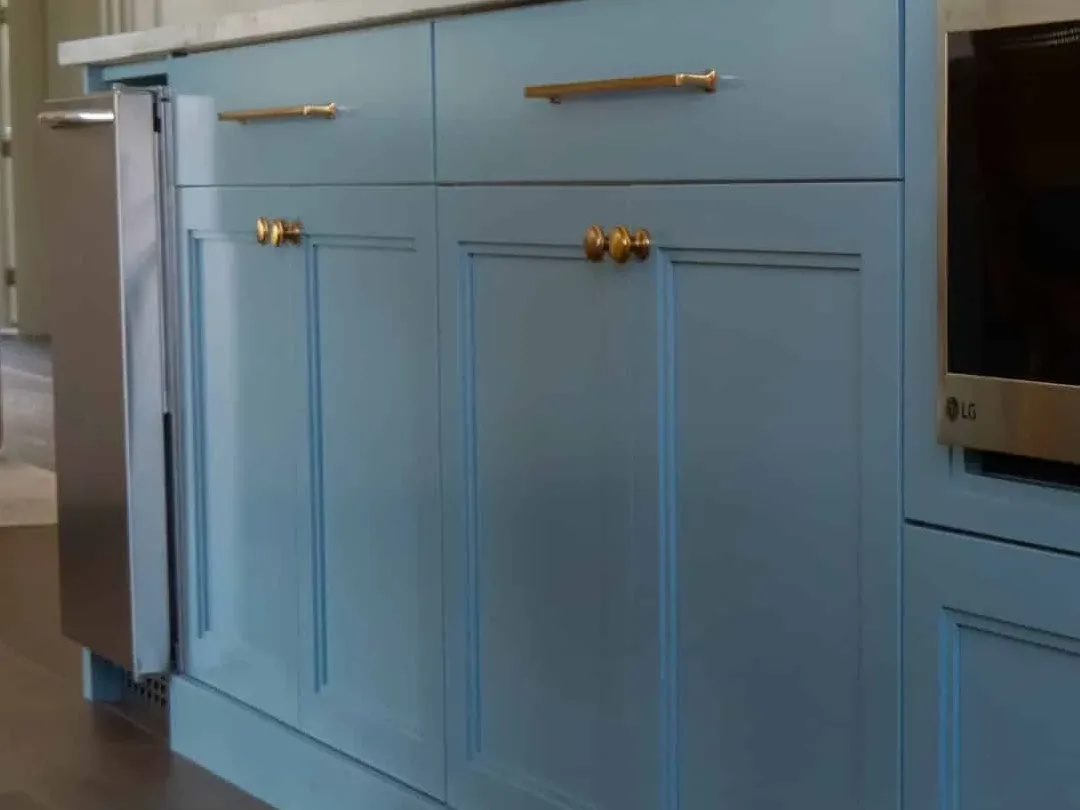
Custom cabinets are a huge investment — one that should serve your home beautifully for decades. But how long do they really last? The answer depends on the materials, craftsmanship, installation quality, and how well they’re cared for. With the right combination of all four, custom cabinets often outperform standard or semi-custom cabinetry by a wide margin.
Below, we break down the typical lifespan of custom cabinets and what influences it, as well as give you tips to help your cabinetry stay sturdy and stunning for as long as possible.
Average Lifespan of Custom Cabinets
High-quality custom cabinets generally last 30 to 50 years or more. In many homes, well-built custom cabinetry will outlive appliances, flooring, and sometimes even the homeowners themselves.
Why such a long lifespan? Three big reasons:
- Superior materials
- Stronger construction methods
- Better fit and installation
Key Factors That Affect Cabinet Lifespan
Cabinet Materials
The type of material plays the biggest role in determining how long your cabinets last.
Solid Wood
Lifespan: 40-50+ years
Why it Lasts: Durable, repairable, ages well
Best For: Kitchens, high-use spaces, long-term homes
Plywood
Lifespan: 35-45+ years
Why it Lasts: Stable, strong, less prone to warping
Best For: Cabinet boxes and structural components
MDF (Medium-Density Fiberboard)
Lifespan: 20-30 years
Why it Lasts: Smooth and stable (but vulnerable to moisture)
Best For: Painted doors or low-humidity areas
Particleboard
Lifespan: 10–20 years
Why it Lasts: Budget-friendly but weakens faster
Best For: Low-impact areas or temporary solutions
Construction Quality
How cabinets are built matters just as much as what they’re built from.
Signs of long-lasting custom cabinetry:
- Dovetail drawer joints
- Full plywood boxes
- Soft-close, heavy-duty drawer slides
- Strong brackets
- Solid wood doors
- Face-frame or full-overlay designs built with precision
- Glue and screw construction instead of nails or staples
Hardware & Finishes
Even the best wood won’t matter if the hardware fails:
- High-quality hinges and drawer glides typically last 20 to 30 years
- Professional finishes protect against moisture and wear
- Cheap hardware often contributes to early cabinet failure
Installation Quality
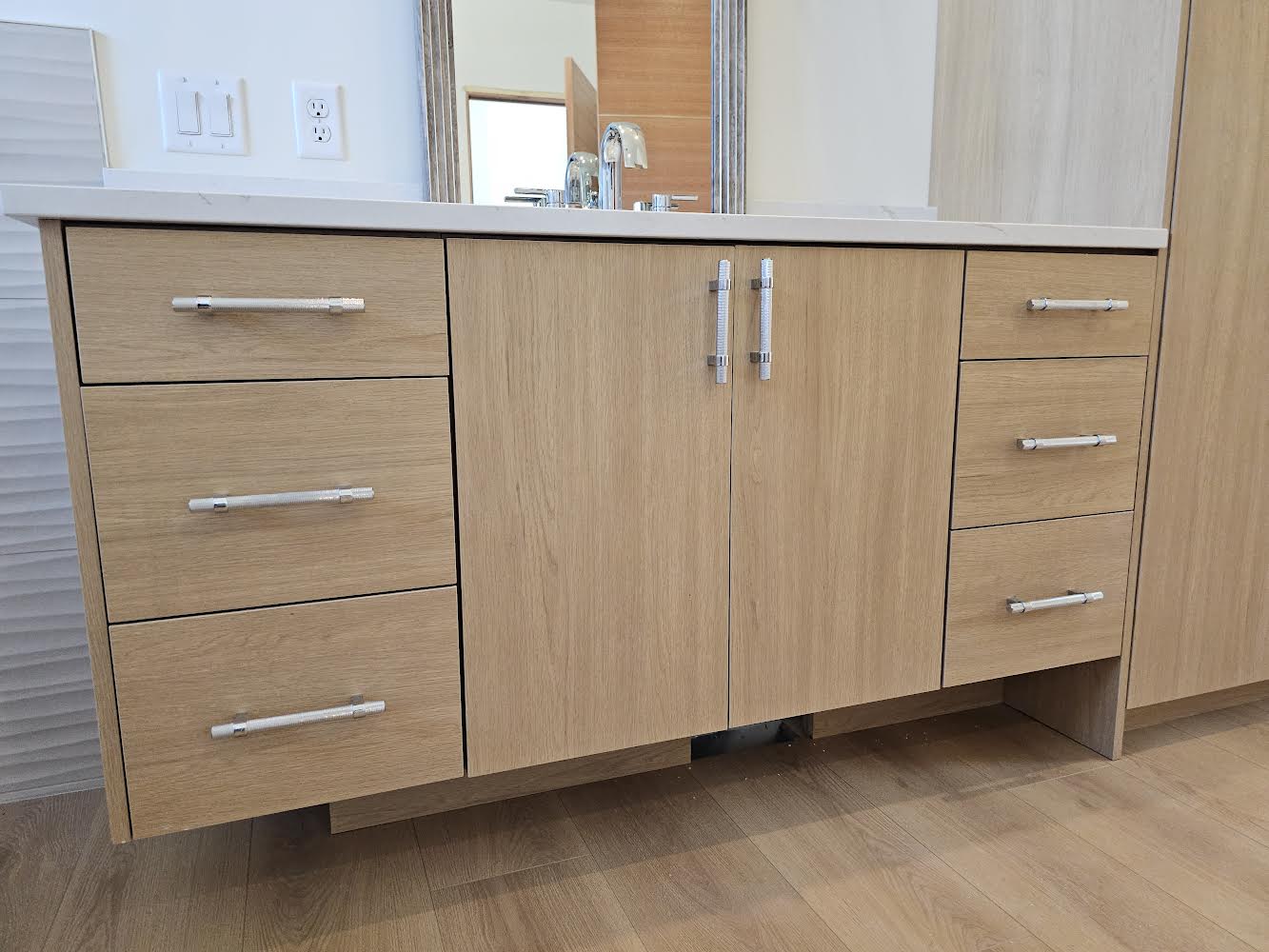
Poor installation is one of the top reasons cabinets age prematurely. Good installers ensure:
- Cabinets are level and properly anchored
- Doors are aligned correctly
- Weight is distributed evenly
- No gaps cause future shifting or warping
Even premium cabinets underperform if installed poorly.
Environment & Household Use
Every home is different, and cabinets wear faster if:
- The kitchen has poor ventilation
- Humidity fluctuates
- Water damage occurs under sinks
- You slam cabinets or load them beyond capacity
- You use harsh cleaners
Cabinets last longer when you:
- Control humidity
- Avoid slamming doors
- Wipe up spills quickly
- Clean surfaces gently
How to Extend the Lifespan of Your Custom Cabinets
Clean with Gentle Products — Use mild soap or vinegar and warm water to clean your cabinets, avoiding abrasives and harsh chemicals. If you need to remove stubborn grease, create a mild paste of baking soda and water and gently scrub with a soft cloth.
Control Moisture — Use your range hood when cooking, keep sink areas sealed, and fix leaks immediately. Humidity should stay around 30 to 50%.
Inspect Hardware Annually — Tighten loose screws, adjust hinges, and lubricate drawer slides as needed.
Avoid Excess Weight — Heavy items, such as small appliances or stacks of dishes, can strain shelves over time, so be mindful when filling your cabinets and drawers.
Refresh Finishes When Needed — Invest in a cabinet refinishing every 10 to 15 years to help protect wood and make cabinets look new again.
Use Protective Liners — Use cabinet liners or mats on shelves to protect the interior from spills, moisture, and scratches.
Block Direct Sunlight — Prolonged exposure to sunlight can fade and discolor finishes. Use curtains or blinds to protect your cabinets.
When to Repair vs. Replace Cabinets
Even long-lasting cabinets eventually need some attention
Repair if:
- Doors are misaligned
- Hardware is squeaky or loose
- The finish is worn
- A few areas show water damage
These are common, fixable issues.
Replace if:
- Boxes are deteriorating
- You see mold or severe water damage
- Particleboard is swelling
- The layout no longer works for your current kitchen or needs
- You want to modernize the space or update it to fit your current tastes.
Sometimes you can save more money by replacing your cabinets instead of repairing them.
Custom Cabinets: A Long-Lasting Investment
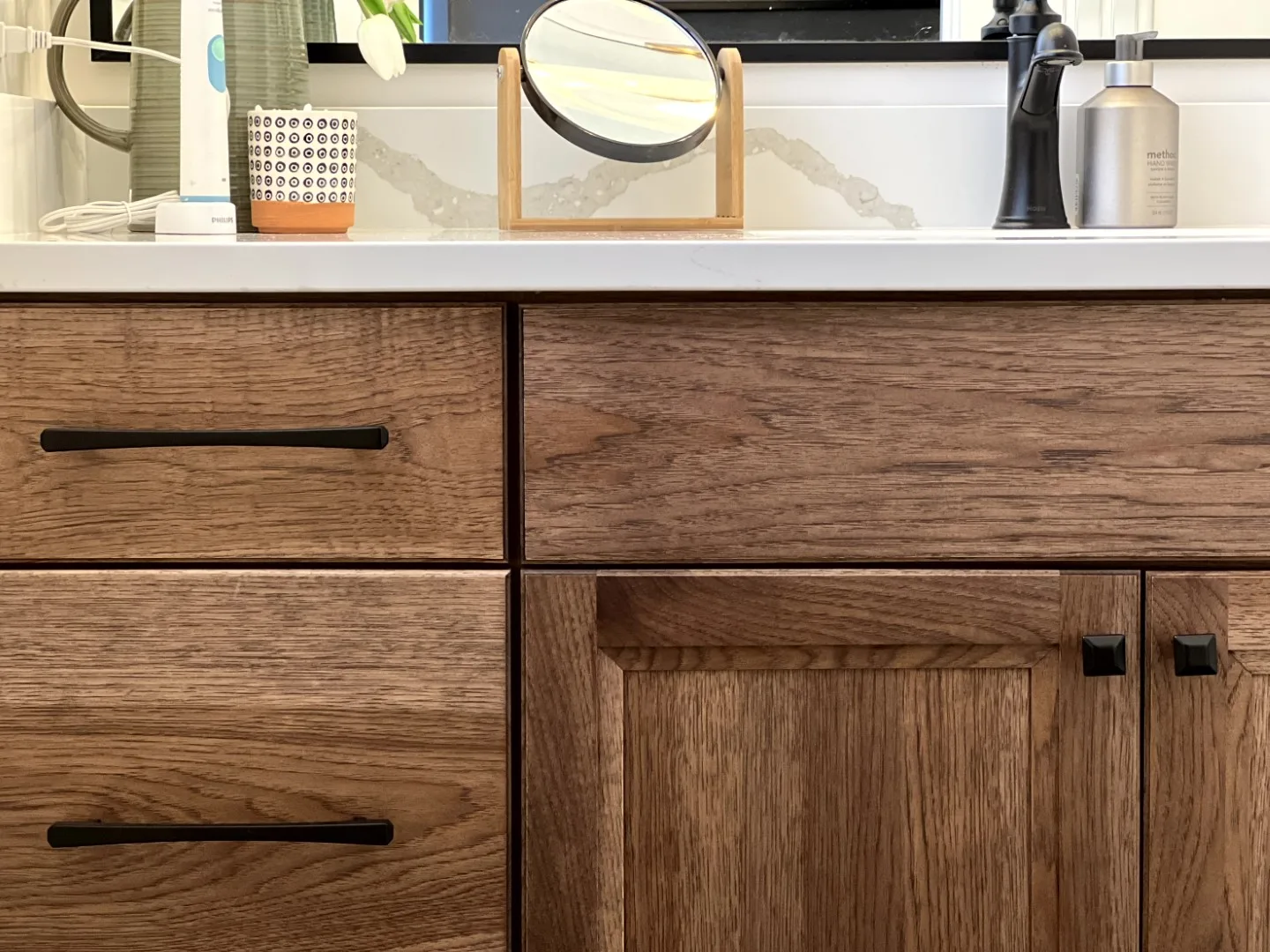
Custom cabinets are one of the best long-term investments you can make in your home. With high-quality materials, skilled craftsmanship, and proper maintenance, they can last three to five decades, which is far longer than off-the-shelf options.
If you’re remodeling or building new, choosing custom cabinetry ensures durability, beauty, and a tailored fit that will stand the test of time.